

Every year on November 11, Americans observe Veterans Day, a national holiday dedicated to honoring the men and women who have served in the United States Armed Forces. It is a day to recognize the courage, sacrifice, and commitment of military veterans who have defended the nation and protected the freedoms enjoyed by all citizens. Through ceremonies, parades, educational programs, and personal expressions of gratitude, Americans pay tribute to those who have answered the call to serve their country.
The History of Veterans Day
The history of Veterans Day begins with World War I, one of the largest and most devastating conflicts in human history. The war lasted from 1914 to 1918 and involved nations across Europe, Asia, and North America. Although the United States entered the war in 1917, more than four million Americans served during the conflict. Their efforts helped the Allied powers achieve victory and contributed to bringing an end to the war.
On November 11, 1918, Germany and the Allied nations signed an armistice agreement that ended the fighting on the Western Front. The ceasefire officially took effect at 11:00 a.m., marking what became known as “the eleventh hour of the eleventh day of the eleventh month.” For millions around the world, this moment symbolized the end of years of destruction, loss, and suffering. Communities celebrated the arrival of peace and hoped that such a devastating war would never occur again.
One year later, on November 11, 1919, President Woodrow Wilson proclaimed the first Armistice Day. He called upon Americans to observe the occasion with parades, public gatherings, and moments of reflection in honor of those who had served. The holiday was established to commemorate the end of World War I and to recognize the sacrifices made by American soldiers.
In 1926, Congress passed a resolution encouraging annual observance of Armistice Day. Then, in 1938, Congress officially made November 11 a federal holiday dedicated primarily to veterans of World War I. At that time, the holiday focused specifically on those who had served in what was then known as “The Great War.”
The meaning of the holiday changed significantly after World War II and the Korean War. During World War II, more than sixteen million Americans served in the armed forces, and many more served during the Korean War. As these veterans returned home, there was growing recognition that the holiday should honor all Americans who had served in the military, not just veterans of World War I.
One of the leading advocates for this change was Raymond Weeks, a World War II veteran from Birmingham, Alabama. Weeks worked tirelessly to promote a national day dedicated to all veterans. His efforts gained widespread support from veterans’ organizations, community leaders, and government officials.
In 1954, President Dwight D. Eisenhower signed legislation officially changing the name of Armistice Day to Veterans Day. This change transformed the holiday into a national observance honoring veterans of all wars and periods of military service. The new Veterans Day recognized the contributions and sacrifices of all Americans who had worn the nation’s uniform.
During the late 1960s, Congress attempted to move Veterans Day from November 11 to the fourth Monday in October as part of the Uniform Monday Holiday Act. The purpose was to provide more three-day weekends for workers. However, many citizens and veterans’ groups opposed the change because November 11 held great historical significance. After years of public support for restoring the original date, Congress returned Veterans Day to November 11. Since 1978, the holiday has been officially observed on its traditional date each year.
Today, Veterans Day serves both as a remembrance of the end of World War I and as a tribute to all Americans who have served in the armed forces. The holiday reflects more than a century of history and honors the millions of veterans who have defended the United States throughout generations.
The Meaning of Veterans Day
Veterans Day is often confused with Memorial Day, but the two holidays serve different purposes. Memorial Day honors military personnel who died while serving their country, while Veterans Day honors all veterans, living and deceased. It is a day to recognize the contributions, dedication, and sacrifices of those who served during times of war and peace.
Military service frequently requires individuals to spend long periods away from family and friends, adapt to challenging environments, and accept personal risks in defense of the nation. Veterans represent generations of Americans who demonstrated courage, discipline, and commitment while protecting the freedoms enjoyed by all citizens.
The holiday also provides an opportunity for Americans to reflect on the responsibilities of citizenship and the importance of preserving the values for which service members have fought. By honoring veterans, citizens acknowledge the sacrifices made to maintain democracy, security, and freedom.
How Veterans Day Is Observed
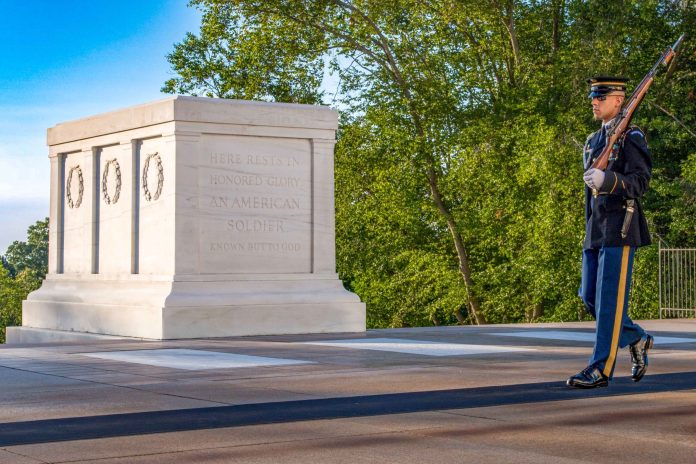
Communities across the United States observe Veterans Day through ceremonies, parades, memorial services, and educational programs. One of the most significant ceremonies takes place at Arlington National Cemetery in Virginia, where a wreath is placed at the Tomb of the Unknown Soldier. This solemn tradition honors service members whose identities remain unknown and symbolizes respect for all who have served.
Schools often hold assemblies that teach students about military history and the importance of service. Veterans are frequently invited to share their experiences and discuss the values of leadership, duty, and patriotism. Civic organizations and local governments also sponsor events that recognize veterans within their communities.
Many Americans choose to observe Veterans Day by attending local ceremonies, volunteering to support veterans’ organizations, visiting memorials, or simply thanking veterans for their service. These gestures, both large and small, help ensure that veterans’ sacrifices are remembered and appreciated.
Final Thoughts
Veterans Day is more than a national holiday; it is a day of gratitude, remembrance, and respect. From its beginnings as Armistice Day following World War I to its evolution into a celebration of all American veterans, the holiday reflects the nation’s enduring appreciation for military service. Veterans have played a vital role in defending freedom, preserving peace, and protecting the values upon which the United States was founded.
As Americans observe Veterans Day each year, they honor not only the achievements of the past but also the ongoing contributions of veterans in communities across the nation. Through ceremonies, education, and personal expressions of gratitude, the country ensures that the service and sacrifice of its veterans will never be forgotten.