

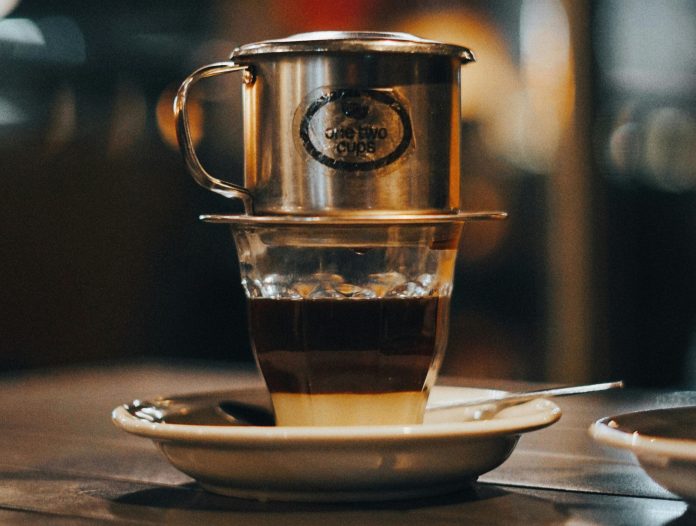
Pexels photo by febri visual.
Vietnamese coffee is a melding of history, culture, and bold flavors. Vietnamese coffee culture is deeply rooted in the country’s colonial past. Coffee was first introduced to Vietnam in 1857 by a French Catholic priest, who brought an Arabica tree to northern Vietnam. However, it wasn’t until the early 1900s that Robusta beans were introduced to the country’s central highlands, where the climate and soil proved ideal for coffee cultivation.
By the late 20th century, Vietnam had become a major player in the global coffee industry. The Doi Moi economic reforms of 1987 opened the country to international trade, propelling Vietnam to become the second-largest coffee exporter in the world. Today, Vietnam accounts for 20% of the world’s total coffee production, with Robusta beans making up 97% of the country’s coffee output.
The Unique Flavor Profile
Vietnamese coffee is known for its strong, bold, and slightly bitter taste, which comes from the Robusta beans used in most traditional preparations. Robusta beans contain twice the caffeine of Arabica beans, making Vietnamese coffee particularly potent. The beans are often dark-roasted, sometimes with ingredients like chicory or corn, to enhance their smoky flavor.
One of the defining characteristics of Vietnamese coffee is its use of sweetened condensed milk. Fresh milk was historically difficult to find in Vietnam, so condensed milk became a long-lasting alternative that complemented the strong coffee flavors. This led to the creation of cà phê sữa đá the famous Vietnamese iced coffee with milk.
A Growing U.S. Trend
Vietnamese coffee has been steadily gaining traction in the American coffee scene, fueled by a combination of cultural curiosity, convenience, and caffeine appeal. The rise of specialty Vietnamese coffee brands like Copper Cow Coffee and Nguyen Coffee Supply has brought high-quality Robusta beans into mainstream grocery stores, making it easier for consumers to brew authentic Vietnamese coffee at home. Social media platforms have played a major role in its growing popularity, with viral recipes showcasing creative ways to replicate the rich, bold flavors of traditional Vietnamese coffee using ingredients like condensed milk and strong-brewed espresso. Influencers and food bloggers have also highlighted its unique brewing method, often demonstrating how the Phin filter produces a slow-dripped, intensely flavored coffee unlike any other.
Vietnamese coffee shops have flourished in cities like Seattle, Los Angeles, and New York, offering traditional cà phê sữa đá (iced coffee with condensed milk) alongside innovative drinks like egg coffee and coconut coffee. The high caffeine content of Robusta beans, which nearly doubles that of Arabica, has also attracted coffee lovers seeking a stronger and bolder cup. As consumers become more adventurous in their coffee choices, Vietnamese coffee continues to carve out a significant space in the U.S. market, blending heritage and modern trends in a way that appeals to both traditionalists and newcomers alike.

How to Make Vietnamese Coffee
Ingredients:
- 2-3 tablespoons of coarsely ground Robusta coffee
- 2 tablespoons of sweetened condensed milk
- Hot water
- Ice cubes (for iced coffee)
- Phin filter (a traditional Vietnamese metal coffee filter)
Brewing Process:
- Prepare the Phin filter: Place the Phin on top of a glass or mug.
- Add condensed milk: If making Cà Phê Sữa Đá, pour 2 tablespoons of sweetened condensed milk into the bottom of the glass.
- Add coffee grounds: Put 2-3 tablespoons of coarsely ground Robusta coffee into the Phin filter. Shake gently to level the grounds.
- Press the filter: Place the metal press on top of the coffee grounds to ensure even extraction.
- Pour hot water: Slowly add hot water (just off the boil) into the Phin filter, filling it to the top.
- Let it drip: Allow the coffee to drip slowly into the glass below. This process takes 5-10 minutes.
- Stir and serve: Once the coffee has fully dripped, stir to mix the condensed milk. If making iced coffee, add ice cubes and serve.
Substituting Arabic Coffee
While Robusta beans are traditionally used in Vietnamese coffee, Arabica beans can serve as a substitute. However, the flavor will be noticeably different—Arabica coffee tends to be smoother, fruitier, and more acidic, lacking the bold bitterness and high caffeine content that characterize Vietnamese coffee. Some drinkers prefer a blend of Arabica and Robusta, which balances the intensity of Robusta with the subtle complexity of Arabica.
Alternative Brewing Methods
The Phin filter is the most authentic way to brew Vietnamese coffee, but there are several alternatives:
- French Press – A great option that allows full immersion brewing, producing a rich and strong coffee.
- AeroPress – By adjusting grind size and brewing time, the AeroPress can create a similarly intense brew.
- Moka Pot – A stovetop espresso maker that delivers a bold, concentrated coffee reminiscent of Phin-brewed coffee.
Final Thoughts
Vietnamese coffee is more than just a morning ritual. Its distinctively bold flavors and sweet, creamy undertones tell a story of heritage and innovation. Whether sipped slowly in a sidewalk café or brewed with care in your own space, each cup offers a glimpse into the rich tapestry of Vietnamese culture, inviting you to savor not just the taste, but the journey behind it.